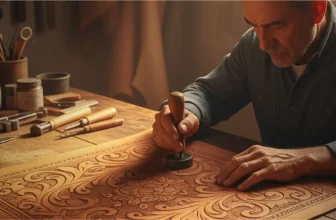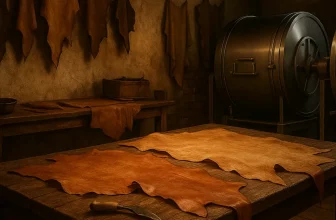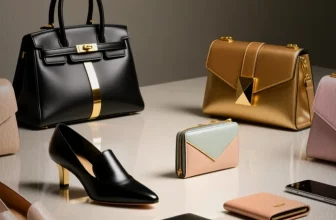
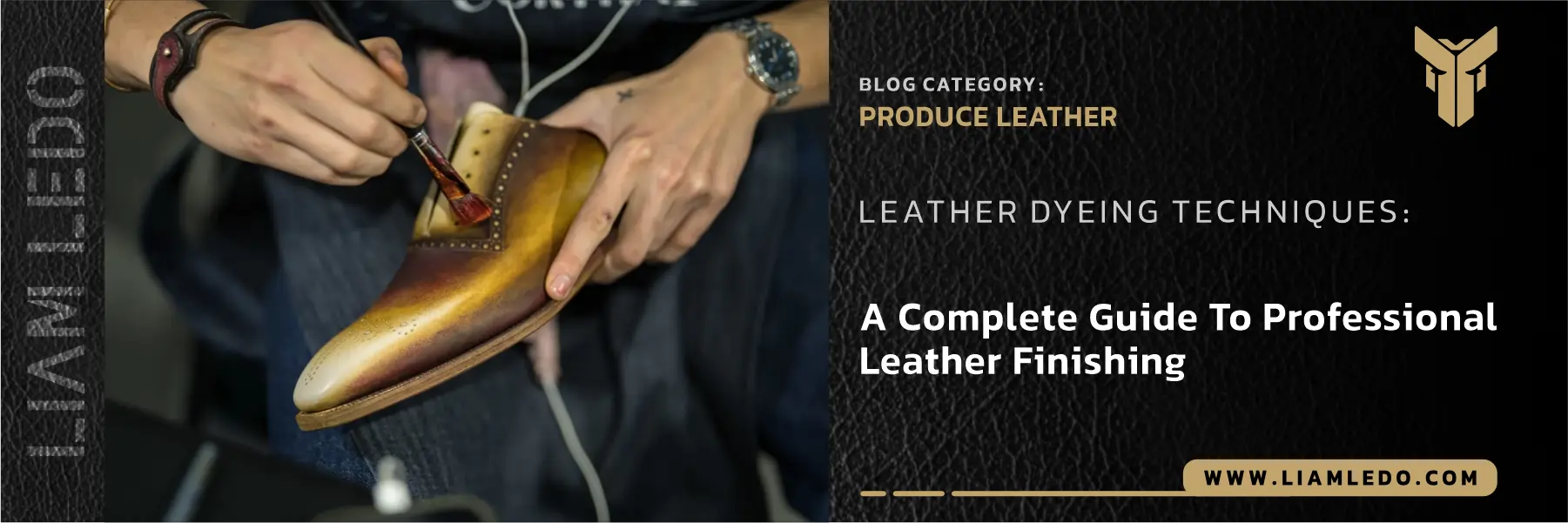
Leather dyeing techniques are a crucial part of the leather industry, influencing not only the look and feel of the final product but also its durability, resistance, and overall quality. Whether you are producing luxurious handbags, custom shoes, or durable work gear, the right dyeing and finishing methods can significantly enhance the performance and beauty of your leather goods.
In this comprehensive guide, we’ll explore natural and chemical leather dyeing techniques, advanced methods like nanotechnology and laser engraving, and professional finishing tips to ensure your leather products stay beautiful for years, while also maintaining their strength, texture, and long-lasting color depth.
Learn more about leather and make better choices:
1.Understanding Leather Dyeing Techniques:
Natural Leather Dyeing:
Natural leather dyeing uses environmentally friendly, plant-based dyes made from leaves, roots, fruits, and other organic sources. This method is popular among artisans and eco-conscious manufacturers who want their products to have unique, earthy tones.
Advantages:
- Chemical-free, eco-friendly process.
- Allows the leather to breathe naturally.
- Creates one-of-a-kind shades that synthetic dyes often cannot replicate.
Disadvantages:
- Less resistant to sunlight and moisture.
- Requires more skill, time, and cost to achieve consistent results.
Natural dyeing is perfect for brands targeting the eco-friendly leather dye market, where sustainability and authenticity are key selling points.
Chemical Leather Dyeing:
Chemical methods use synthetic dyes designed for smooth, consistent coverage across different types of leather like cowhide, sheepskin, and buffalo leather.
Advantages:
- Wide range of vibrant, long-lasting colors.
- Faster processing time, ideal for bulk manufacturing.
- Higher resistance to water, sunlight, and abrasion.
Disadvantages:
- Potential environmental and health concerns due to chemical components.
- Requires specialized equipment and controlled conditions.
When paired with best leather finishing products, chemical dyeing can create stunning, durable results for both luxury and practical leather goods.
2.Advanced Dyeing and Customization Methods:
Nano Leather Coating Technology:
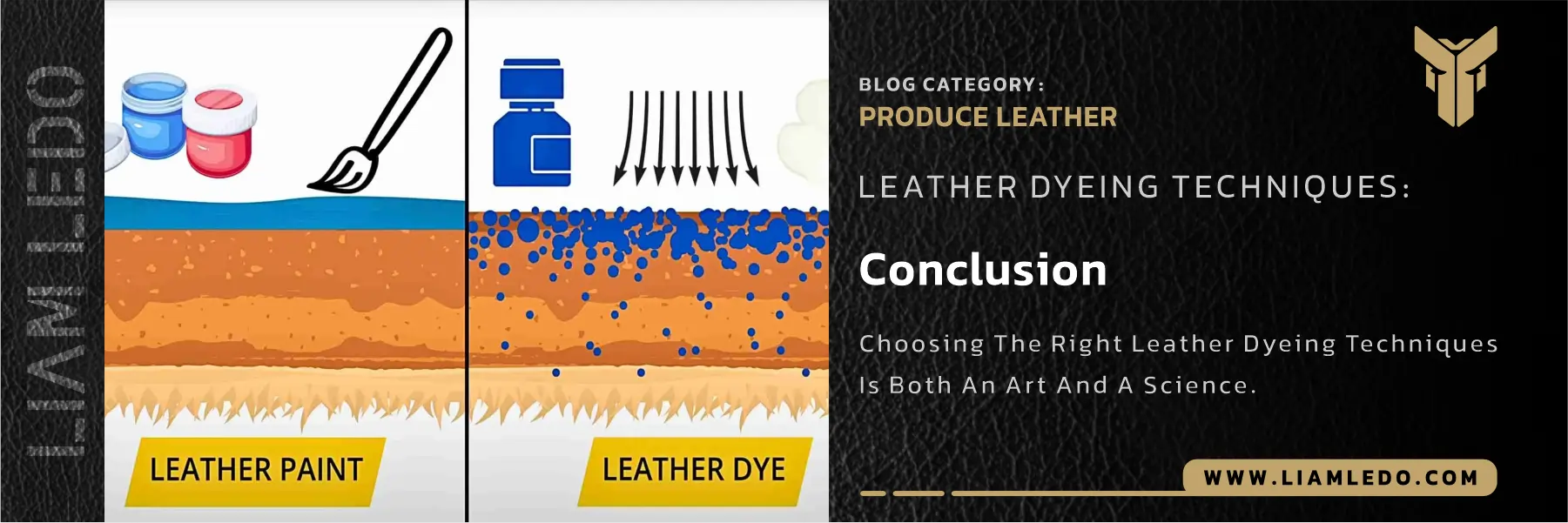
Nano-technology in leather dyeing uses ultra-fine pigment particles that penetrate deep into leather fibers. This process provides superior resistance to water and stains while maintaining the softness and natural texture of the leather.
For high-performance leather products like waterproof leather finish jackets or boots, nano coating is a game-changer.
Laser Engraving and Laser Dyeing:
Laser engraving leather is an innovative method that allows brands to add intricate designs and custom patterns with exceptional precision. By using controlled laser beams, manufacturers can combine dyeing and engraving into one process, saving time and reducing waste.
Key benefits:
- High accuracy for personalized designs.
- Reduces the need for chemical-based printing.
- Creates premium, custom-made products.
This method pairs perfectly with the growing demand for bespoke leather accessories.
3.Leather Finishing Methods for Long-Lasting Beauty:
Using Waxes and Oils:
In traditional leather finishing, waxes and oils are applied to nourish the leather, enhance its shine, and protect against environmental damage.
Why it works:
- Increases flexibility and softness.
- Prevents cracking and dryness.
- Adds natural gloss, perfect for luxury items.
For educational content, comparing leather wax vs oil helps customers choose the right maintenance plan for their leather goods.
Transparent Protective Coatings:
Modern transparent coatings are designed to seal the leather surface, providing additional water, stain, and scratch resistance. They are ideal for leather care and maintenance in high-wear items like outdoor gear or travel bags.
These coatings can significantly extend the life of leather products with minimal need for ongoing upkeep.
4.Choosing the Right Leather Dyeing and Finishing Process:
When selecting the right leather dyeing techniques for your products, consider:
- Leather Type:
Cowhide is more durable and can handle stronger chemical dyes, while sheepskin benefits from softer, gentler color treatments. - Product Use:
For heavy-use goods exposed to the elements, combine chemical dyeing with nano leather coating for maximum resilience. - Design Requirements:
If aesthetics are key, natural dyeing offers organic beauty, while laser engraving leather provides unparalleled detail. - Maintenance Needs:
Transparent coatings or wax finishes make care easier for the end user, reducing the chance of product damage over time.
5.Leather Care and Maintenance Tips for Dyed and Finished Leather:
Even when using the best leather finishing methods, proper care is essential. Here are some expert tips:
- Avoid prolonged exposure to direct sunlight.
- Use pH-balanced leather cleaners to protect the dye layer.
- Condition with natural oils or premium wax every few months.
- Reapply waterproof leather finish products seasonally for outdoor leather goods.
By educating your audience on these steps, you can boost trust and encourage repeat purchases through affiliate links.
Conclusion:
Choosing the right leather dyeing techniques is both an art and a science. From eco-friendly leather dye options to cutting-edge nano leather coating and laser engraving leather, the right methods can elevate your products, attract eco-conscious buyers, and improve customer satisfaction.
For affiliate marketers, strategically placing links to best leather finishing products, waterproof treatments, and leather care kits within this content can significantly increase conversion rates — making great content not only informative but also profitable, while building trust and long-term engagement with the audience.
Source: The Gentleman’s Gazette | Wikipedia