
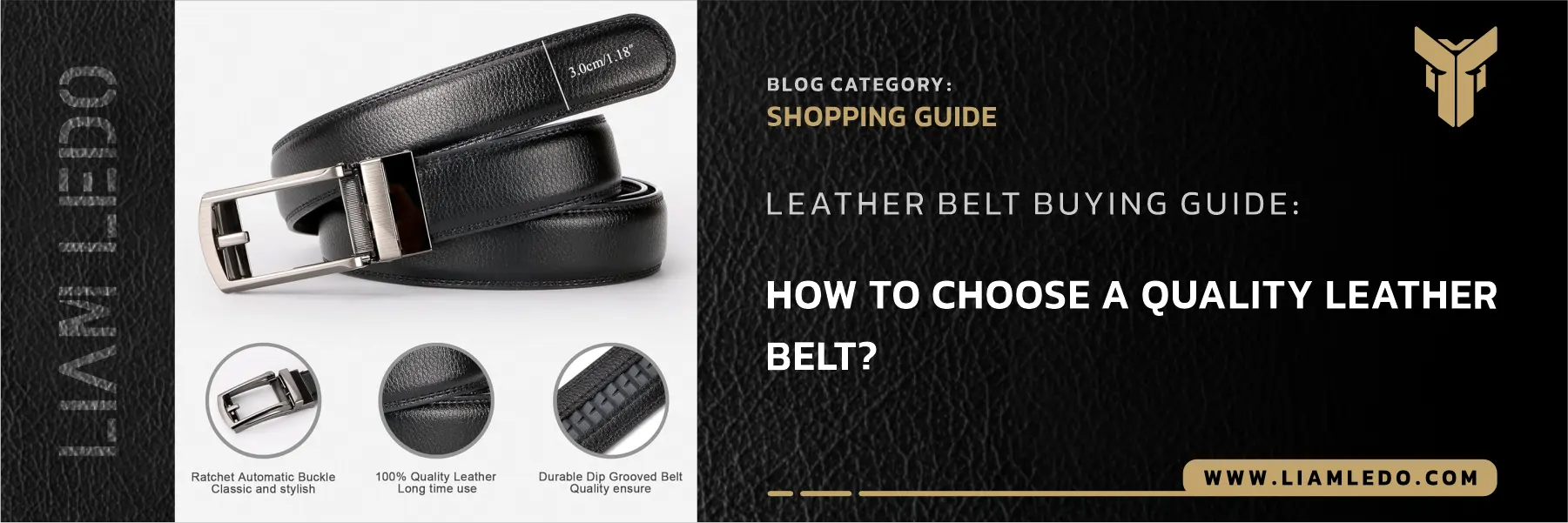
A leather belt is more than just a wardrobe accessory—it is a statement of style, a symbol of quality, and a practical tool to keep your outfit in place. Choosing the right belt requires more than picking the first one you see. This leather belt buying guide will help you understand everything from leather types and stitching quality to sizing, buckle design, and maintenance tips, ensuring your belt not only looks good but lasts for years. With the right choice, your belt can become a timeless piece that complements both casual and formal looks.
Learn more about leather and make better choices:
1.Types of Leather: Know Your Options
Understanding leather types is essential when buying a quality belt. There are two main categories: genuine leather and synthetic leather.
Genuine Leather:
Genuine leather comes from animal hides and is known for its durability and unique patina over time. Key types include:
- Full-Grain Leather: The highest quality leather, with an unaltered surface that develops a natural patina. It is highly durable and often considered the best choice for long-lasting belts.
- Top-Grain Leather: Slightly processed to remove imperfections. Still durable, but may not age as beautifully as full-grain leather.
- Suede and Nubuck: Soft and velvety textures from the inner side of the hide. While stylish, they are less resistant to wear and tear.
Synthetic Leather:
Made from materials like polyurethane (PU) or PVC, synthetic leather is more affordable and easy to maintain. However, it lacks the longevity and natural appearance of genuine leather.
2.Leather Belt Sizing Guide:
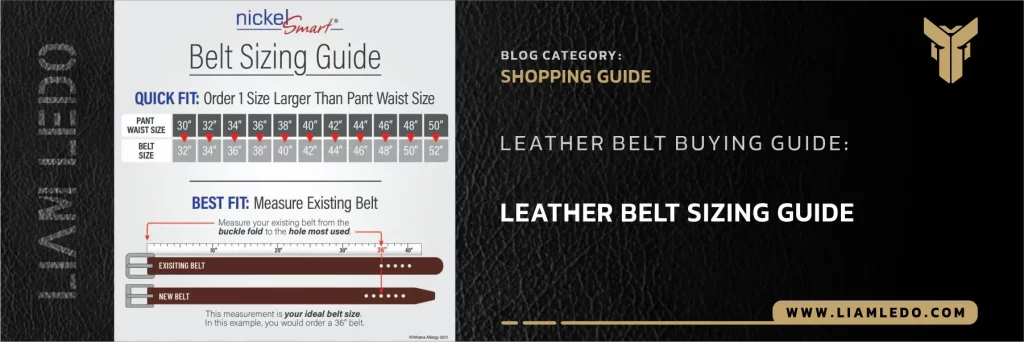
Choosing the right size is one of the most critical steps in buying a belt. A belt that is too long or too short can look awkward and reduce comfort.
How to Measure Your Belt Size?
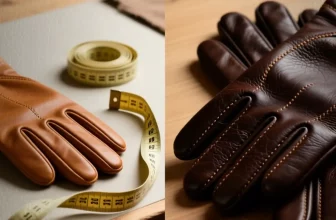
- Measure Your Waist or Pants: Use a measuring tape around your waist where your pants sit.
- Add Two Inches: The general rule is to add about 2 inches (5 cm) to your waist measurement to determine belt length.
- Check Belt Holes: A good belt should have multiple holes for adjustment. The middle hole should fit your waist perfectly.
Belt Width Considerations:
- Narrow Belts (1–1.25 inches): Ideal for formal wear and dress pants.
- Standard Belts (1.25–1.5 inches): Versatile for both casual and semi-formal outfits.
- Wide Belts (1.5–2 inches): Best suited for jeans and casual attire.
3.Choosing the Right Buckle:
The buckle not only secures your belt but also affects style and durability.
- Material: Stainless steel or brass alloy buckles are long-lasting and resistant to corrosion.
- Design: Simple and classic buckles are easier to use and maintain over time. Avoid overly decorative buckles for everyday belts.
- Functionality: Ensure the buckle closes securely and fits your preferred style of dress.
4.Color and Style Tips:
Choosing the Right Color:
Classic colors like black, brown, and tan are the most versatile. Choose a color that matches your shoes and other leather accessories for a cohesive look.
Belt Style:
- Formal Belts: Simple, minimalistic design, often with a polished buckle.
- Casual Belts: May feature textures, patterns, or contrast stitching.
5.Stitching and Craftsmanship:
The quality of stitching indicates the belt’s durability:
- Tight, even stitches are a sign of a well-made belt.
- High-quality threads such as nylon or polyester resist wear and tear.
6.Maintenance and Care:
Proper care can significantly extend the life of a leather belt.
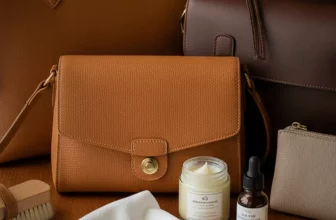
- Cleaning: Wipe gently with a soft, damp cloth. Avoid harsh chemicals.
- Conditioning: Use leather creams or waxes to maintain flexibility and prevent cracking.
- Storage: Keep belts in a cool, dry place. Hanging them helps maintain shape and prevent creases.
7.Long-Term Considerations:
Investing in a high-quality belt is a smart decision:
- Durability: Genuine leather belts last for years, making them cost-effective in the long run.
- Style Flexibility: A versatile belt enhances both formal and casual outfits.
- Comfort: Proper sizing ensures the belt is functional and comfortable throughout the day.
8.Check Reviews and Expert Advice:
Before purchasing, read reviews from other customers and specialized articles. Reviews provide insights about durability, comfort, and overall satisfaction. Trusted sources and brands often guarantee high-quality materials and craftsmanship.
Conclusion:
A quality leather belt is more than an accessory—it is a blend of style, comfort, and durability. By following this leather belt buying guide, you can select the perfect belt that fits your waist, matches your style, and stands the test of time. Pay attention to leather type, sizing, buckle design, stitching, color, and care, and you’ll have a reliable accessory for years to come, adding both elegance and practicality to every outfit.
Source: The Gentleman’s Gazette | Wikipedia