

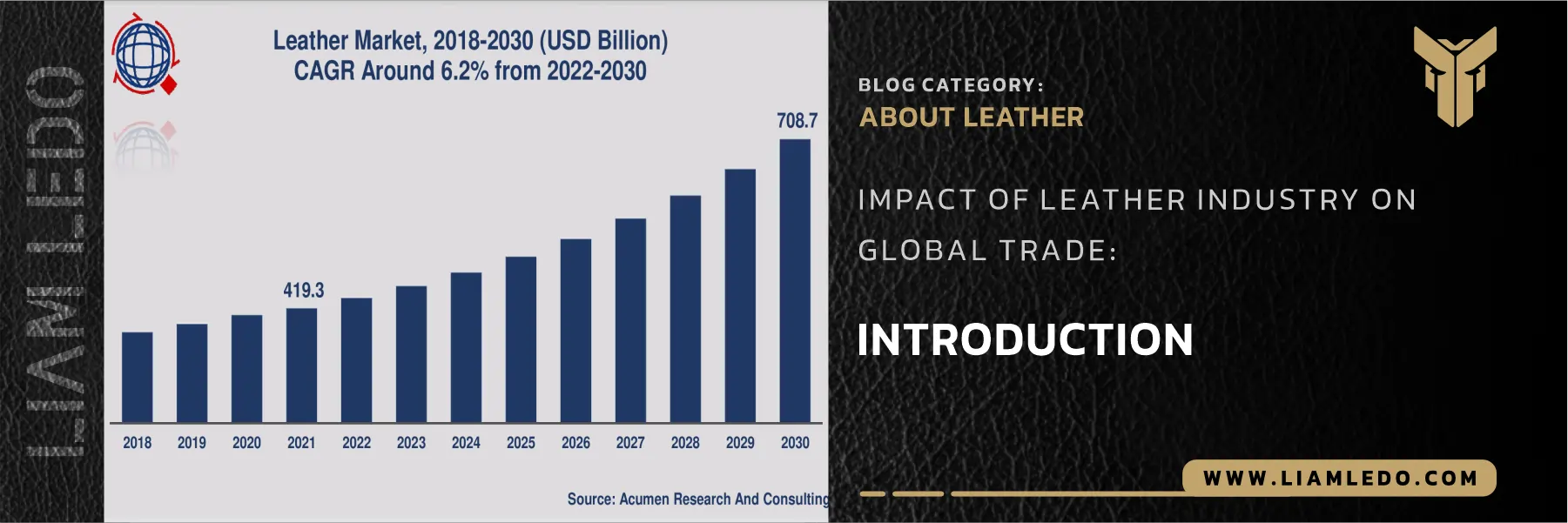
The impact of leather industry on global trade has shaped economies for centuries, influencing employment, exports, and sustainability trends worldwide. From raw materials to finished goods like leather bags, shoes, jackets, and belts, this industry has created a robust network of producers, manufacturers, and traders worldwide. The impact of the leather industry on global trade is multidimensional, addressing employment, economic growth, technical innovation, and even environmental challenges.
This article explores the role of the leather industry in international commerce, the opportunities it presents, and the challenges it faces in ensuring sustainable growth. Through this in-depth look, we’ll analyze how the leather industry fuels economies, shapes cultural dynamics, and transforms international markets, highlighting its ongoing influence as a cornerstone of global trade and innovation.
Learn more about leather and make better choices:
1.Employment and Economic Contributions:
Employment Opportunities in the Leather Industry:
The leather industry is a major driver of employment globally. Millions of people across the world are directly employed in tasks ranging from animal husbandry to leather production and the manufacturing of leather products. In developing countries such as India, Bangladesh, and parts of Sub-Saharan Africa, this industry creates jobs for unskilled and semi-skilled workers, dramatically improving their economic stability.
Economic Growth in Leather-Producing Countries:
Countries known for their craftsmanship and high-quality leather products, such as Italy, Turkey, China, and Brazil, benefit significantly from the economic contributions of this industry. For instance, luxury leather goods exported by Italian manufacturers highlight how sustainable leather products with premium quality can command higher prices in international markets, thus boosting the GDP of these economies.
By fostering entrepreneurship and encouraging small-scale manufacturers, the leather industry has trickled down its benefits to wider communities, ensuring long-term economic gains.
2.The Role of International Trade and Exports:
Leather as a Key Export Commodity:
The impact of the leather industry on global trade is most evident in the way leather products dominate the export percentages of many nations. According to recent trade statistics, countries like India, China, and Pakistan rank among the top exporters of both raw and finished leather. Finished products, such as handmade leather goods, cater to the growing demand for superior craftsmanship.
Strengthening Global Supply Chains:
Exports of leather goods are also a testament to the importance of international trade networks, connecting buyers and sellers across continents. For example, the demand for premium leather wallets in the United States or designer leather handbags in Europe creates supply chain opportunities for manufacturers in Asia.
3.Challenges and Sustainability in the Leather Industry:
Environmental Impacts of the Leather Industry:
While the leather industry is an economic powerhouse, its environmental impact cannot be overlooked. The traditional tanning processes often use harsh chemicals such as chromium, leading to hazardous waste generation. Water consumption during the raw material preparation also puts strain on local ecosystems. However, the rise of eco-friendly leather products is addressing these issues by introducing green production methods.
Sustainability as a Key Selling Point:
Modern consumers, particularly in Western markets, have shown increasing preference for ethical and sustainable leather accessories. Brands that emphasize sustainability not only benefit from increased consumer trust but also open opportunities in global niches. For example, producing eco-friendly leather bags or belts crafted from upcycled materials can position manufacturers in competitive global markets.
4.The Power of Innovation in Leather Production:
Technological Advancements in Leather Manufacturing:
The leather industry has embraced innovation through the integration of advanced manufacturing techniques. Technologies such as 3D printing and nanotechnology have revolutionized the production of best leather products for daily use, enabling higher precision and fewer waste materials.
Research and Development (R&D) as a Driver of Growth:
Innovation also extends to material research, where alternatives like bio-based leather are gaining traction. Companies investing in R&D can improve their offerings, producing high-quality leather belts for men or durable materials for outdoor use. Ultimately, technology and sustainability work hand-in-hand to redefine the leather industry.
5.Social and Cultural Trends Impacting the Leather Industry:
Cultural Significance of Leather:
Leather holds cultural importance in many regions of the world, symbolizing status, durability, and luxury. Products like designer leather handbags or handmade leather goods are not just commodities but also cultural pieces that represent craftsmanship and heritage. Countries like Italy capitalize on these cultural associations, creating a luxury market for vintage and high-end leather products.
Evolutions in Consumer Preferences:
The impact of the leather industry on global trade has also evolved due to changing consumer behaviors. With the rise of fast fashion brands, affordable yet durable leather backpacks for travelers, and affordable wallets are now accessible to the average buyer. However, there is also a growing counter-trend focusing on premium and long-lasting goods that align with ethical manufacturing practices.
6.The Role of Affiliate Marketing in Promoting Leather Goods:
Given the lucrative market for top-quality leather shoes for fashion lovers and affordable designer leather handbags, affiliate marketers are playing an increasingly important role in pushing these products to broader audiences. Articles like this serve as platforms to inform consumers about the benefits and ethical choices linked with leather purchases, helping brands reach target markets directly.
Affiliate marketers can capitalize on these trends by focusing on high-value keywords and creating strong content geared toward conversion. Whether it’s promoting a leather wallet or emphasizing the benefits of eco-friendly leather bags, affiliate content ensures brands are spotlighting their unique selling points effectively.
Conclusion:
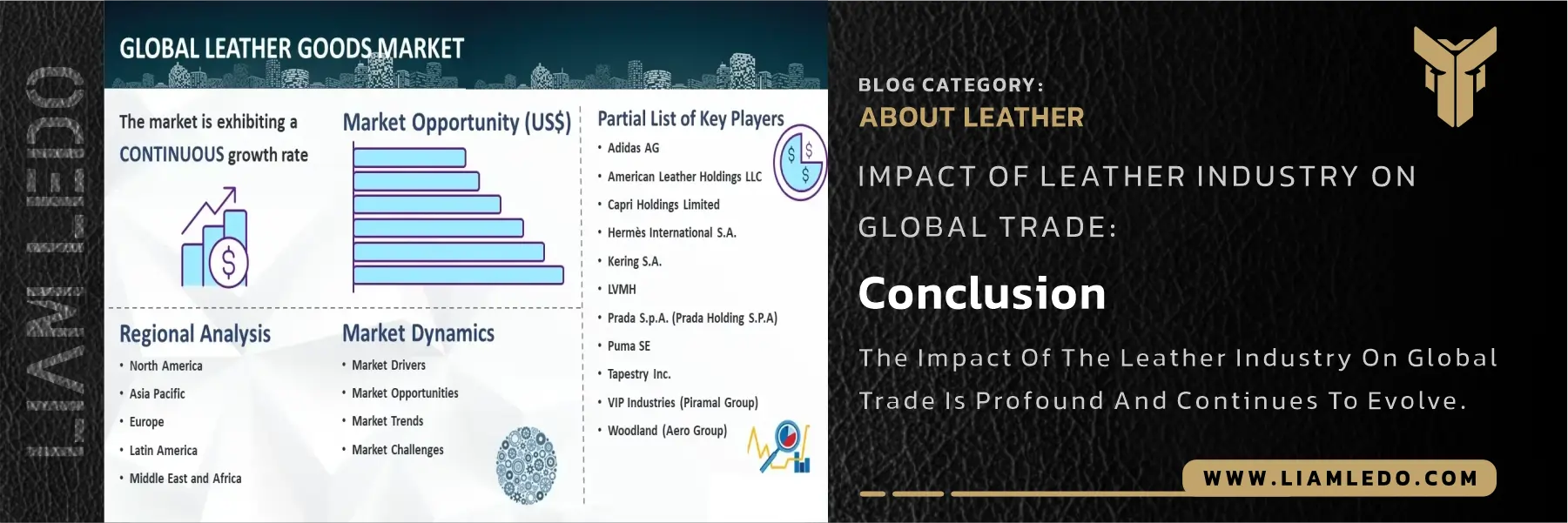
The impact of the leather industry on global trade is profound and continues to evolve. From driving employment in developing regions to boosting GDP in leather-producing countries, and from crafting heritage-rich products to embracing sustainable practices, the leather industry plays a critical role in the global economy.
While challenges such as environmental impact and ethical concerns persist, the rising demand for sustainable leather products paves the way for a greener future. Additionally, the adoption of advanced technologies, innovative marketing strategies (like affiliate marketing), and attention to cultural dynamics ensures this industry remains dynamic and competitive in the years ahead.
Whether you are a seller, affiliate marketer, or a conscious consumer, the leather industry offers opportunities to align with global trade trends while supporting innovation, sustainability, and cultural richness, proving that tradition and progress can thrive together in today’s evolving marketplace.
Source: The Gentleman’s Gazette | Wikipedia